Detailed Manual on Electronics Recycling: Approaches to Manage Your Aged Devices Conscientiously
Electronics recycling is vital for ecological preservation and responsible resource conservation. Many individuals are unfamiliar with the proper steps to take when disposing of old devices. Getting electronics ready for recycling can make a significant difference. This guide delivers important knowledge into ethical disposal practices. It addresses vital questions about what happens to discarded devices and the effect on the environment. The journey of electronics recycling starts today.
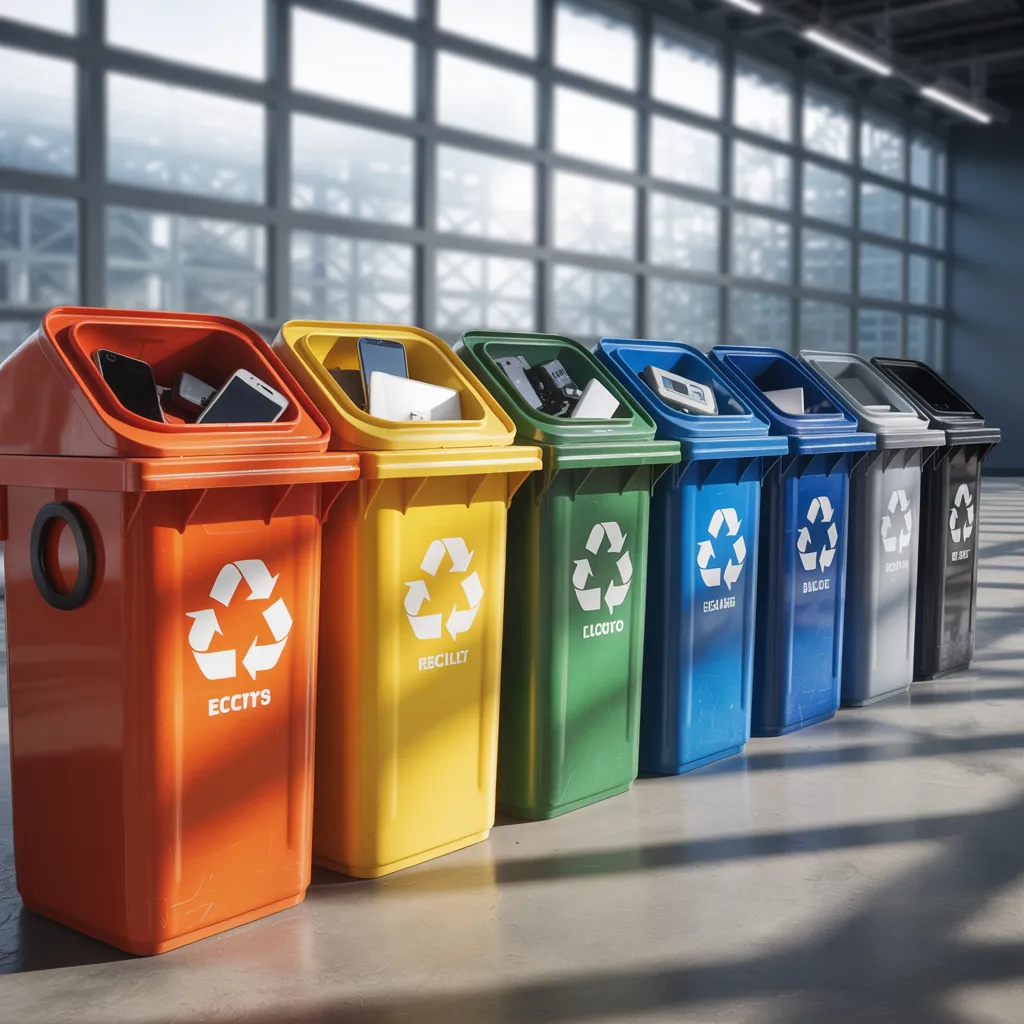
How Technology Waste Recycling Benefits the Ecosystem
Although many persons may not recognize it, electronics recycling serves an essential role in protecting the environment. As technology moves forward, the volume of electronic waste continues to grow, posing substantial ecological challenges. Improper disposal of devices can lead to harmful substances, such as lead and mercury, tainting soil and water sources. By recycling electronics, useful materials like metals and plastics can be obtained and reused, thereby lessening the need for virgin resources and minimizing energy consumption associated with manufacturing.
In addition, recycling helps to decrease the carbon footprint associated with waste disposal. It diverts e-waste from reaching landfills, where it may take centuries to decompose. This practice not only safeguards natural resources but also fosters a more sustainable world. Through conscientious electronics recycling, societies and people can play a role to a greener environment, confirming that advancements in technology do not come at the detriment of ecological integrity.
Guidelines to Ready Your Old Electronics Arranged for Recycling
Readying old devices for recycling involves several important steps to assure data security and observance with guidelines. First, saving essential data is important, followed by the extraction of personal information to shield privacy. Finally, looking at the manufacturer's recycling guidelines helps ascertain responsible disposal.
Save Your Data
Before recycling old devices, it is essential to secure any valuable data. Users should hook up their devices to a computer or use cloud storage services to ensure all necessary files, photos, and documents are saved. For smartphones and tablets, employing built-in backup features streamlines the process. Users can also consider transferring data to portable storage drives or USB flash drives for additional security. It is recommended to check that the backup is accessible and accessible before proceeding with recycling. This step not only defends valuable information but also guarantees a smooth transition to new devices. Taking time to secure data helps in reducing potential loss and facilitates a more safe recycling experience.
Delete Personal Data
After storing important data, users must take steps to remove personal information from their previous devices. This procedure commonly commences with exiting accounts and turning off features such as Find My Device. Next, users should perform a factory reset, which erases all data and resets the device to its original settings. For extra protection, it is recommended to protect the device before resetting it; this creates a layer of protection against data recovery. People should also take out any external storage, such as SD cards, to ensure that no personal files remain. Finally, confirming that personal information has been thoroughly removed is crucial, as this step establishes the device is ready for responsible recycling.
Check Manufacturer Specifications
Examining vendor instructions is vital for guaranteeing that aged equipment are properly readied for recycling. Various producers frequently have detailed instructions about the recycling process, which could incorporate specialized disassembly procedures or suggestions for secure disposal of parts. By consulting these instructions, consumers can identify any required actions to extract batteries or hazardous materials safely. Additionally, several producers offer take-back initiatives, allowing consumers to return their products directly for accountable recycling. Following these instructions not only helps protect the environment but also minimizes safety hazards associated with improper disposal. Hence, customers should prioritize reading and adhering to producer guidelines as a critical step associated article in the disposal procedure. This approach promotes responsible electronics recycling overall.
Which Classes of Electronics Are Able to Be Recycled?
Electronics waste management covers an broad spectrum of machines that can be processed to salvage important resources and decrease environmental damage. Typical recycled items feature smartphones, laptops, computer systems, and portable tablets, all containing valuable metals and elements that can be given new life. Equally important, TV units, display units, and imaging devices are aspects of the recycling spectrum, because they frequently contain dangerous elements like lead and mercury.
Small appliances such as microwaves, toasters, and coffee makers can also be recycled, although they may require specialized handling. Batteries, especially lithium-ion types found in many electronics, are essential to properly dispose of due to their hazardous composition. Audio and video equipment, including stereo systems and cameras, can further add to the recycling stream. Overall, many electronic devices are suitable for recycling, helping to promote sustainability and mitigate the harmful effects of e-waste.
Identifying Your Adjacent Electronics Reclamation Center
Discovering a nearby electronics recycling center is critical for responsible disposal. Community waste programs may range, presenting different amenities and acceptable goods. Digital search resources provide a hassle-free method to recognize these centers based on one's whereabouts.
Local Environmental Resources
Recognizing accessible recycling options is important for environmentally conscious device disposal. Numerous neighborhoods deliver approved recycling facilities that receive a range of tech devices, comprising computers, televisions, and smartphones. These centers regularly provide proper handling and conversion of toxic components present in electronics, consequently reducing environmental damage. Local authorities may also organize routine e-waste collection drives, permitting residents to deliver their discarded devices at nearby venues. Moreover, certain retailers operate return programs, permitting buyers to exchange older devices when acquiring newer products. By leveraging these neighborhood resources, people can assure their old electronics are handled responsibly, advancing eco-friendly efforts and lowering the impact to landfills. Joining community recycling options nurtures collective responsibility and environmental consciousness.
Internet Locator Solutions
Several internet-based locator tools ease the process of discovering adjacent electronics recycling centers. These websites allow users to input their location and receive a compilation of accessible recycling facilities. Websites such as Earth911 and the EPA's recycling locator provide updated information on local drop-off points and events. Additionally, some manufacturers offer their own recycling programs, which can be found through their official websites. Users can often filter results based on the types of devices they wish to recycle, guaranteeing they find appropriate centers. By employing these tools, individuals can make informed decisions about recycling their electronics, aiding to environmental sustainability while ensuring compliance with local regulations. This accessibility encourages responsible disposal of outdated devices.
Leveraging Manufacturer Take-Back Programs
As patrons look for sustainable solutions with increasing regularity for e-waste, maker retrieval initiatives present a responsible choice for recovering materials from outdated items. Such programs, often driven by significant electronics makers, allow customers to return their previous products directly to the company. Involvement in these initiatives ensures that persons can confirm their electronics are disposed of in an environmentally friendly way.
Many vendors create designated drop-off locations or prepaid shipping labels, making the process user-friendly. Also, these programs often promote sustainable disposal methods, verifying that materials are retrieved and repurposed rather than ending up in landfills. Some manufacturers additionally attract participants by offering incentives or rewards for subsequent orders. This system not only reduces electronic waste but also encourages a green-minded community. Essentially, employing manufacturer take-back programs grants consumers the power to positively impact the environment while ethically handling their electronic devices.
Safe Data Destruction Tips for Electronics Reuse
One important step in the electronics recycling process is ensuring safe data destruction. People must recognize that merely deleting files or performing a factory reset does not guarantee total data removal. Effective techniques include the use of data-wiping software that satisfies industry standards and overwrites data multiple times. For devices that cannot be reused, physically destroying the storage medium—such as shredding or incinerating hard drives—guarantees data cannot be retrieved.
Prior to disposal, people should extract any SIM cards and memory cards, which frequently hold personal information. In addition, recording the information elimination process can offer peace of mind, especially for businesses handling sensitive information. In conclusion, people are encouraged to consult qualified e-waste recyclers who follow best practices for data destruction, ensuring responsible handling of electronic devices. By following these steps, people can safeguard their personal information while contributing to a more sustainable recycling process.
Your Equipment Waste Management Journey: What Transpires Throughout?
After confirming data is safely eliminated, the process of tech equipment toward reuse starts. Devices are generally collected at designated drop-off locations or through take-back programs. Once collected, they are transported to processing centers where they endure a comprehensive classification procedure.
These centers involve dismantling devices to isolate valuable materials including metals, plastics, and glass. Dangerous parts such as batteries and circuit boards are carefully handled to prevent ecological pollution.
Reusable resources are subsequently worked: metals are melted down, plastics are made into granules, and glass is broken apart for reuse.
Finally, the recovered materials are sold to manufacturers who will incorporate them into new products, successfully completing the loop of the recycling process. This journey not only conserves resources but also reduces e-waste, making responsible recycling essential for sustainability.
Questions People Inquire Frequently
Is It Possible to repurpose Electronics That Are malfunctioning or harmed?
Yes, faulty or damaged electronic devices can often be reused through recycling. Many processing facilities accept these items, ensuring they are treated safely. Individuals should consult local regulations to identify suitable recycling solutions for their particular devices.
What Expenses Might Be Tied to Electronics Recycling?
Yes, there can be charges linked to electronics disposal, depending on the location and the kind of device. Some locations charge for specific products, while others may offer free recycling services for particular devices.
When Should I Recycle My Old Electronics?
Specialists recommend reprocessing old electronics every one to two years, especially if they are no longer functional or replaced. Routine recycling efforts help minimizing electronic waste and fosters environmental stewardship, ensuring accountable disposal of outdated devices.
Where Do Recyclable Goods Go Following Collection?
Upon assembly, salvageable items are classified, modified, and reshaped into raw materials. These resources are ultimately transferred to manufacturers, who construct new products, limiting garbage and conserving resources in the electrical equipment cycle.
Can Businesses Dispose of Electronics in the Same Way as Individuals?
Yes, businesses can handle electronic waste comparable to individuals. They regularly have options for specialized services and expansive recycling networks, ensuring suitable treatment and legal compliance, while promoting green initiatives and resource recovery efforts.